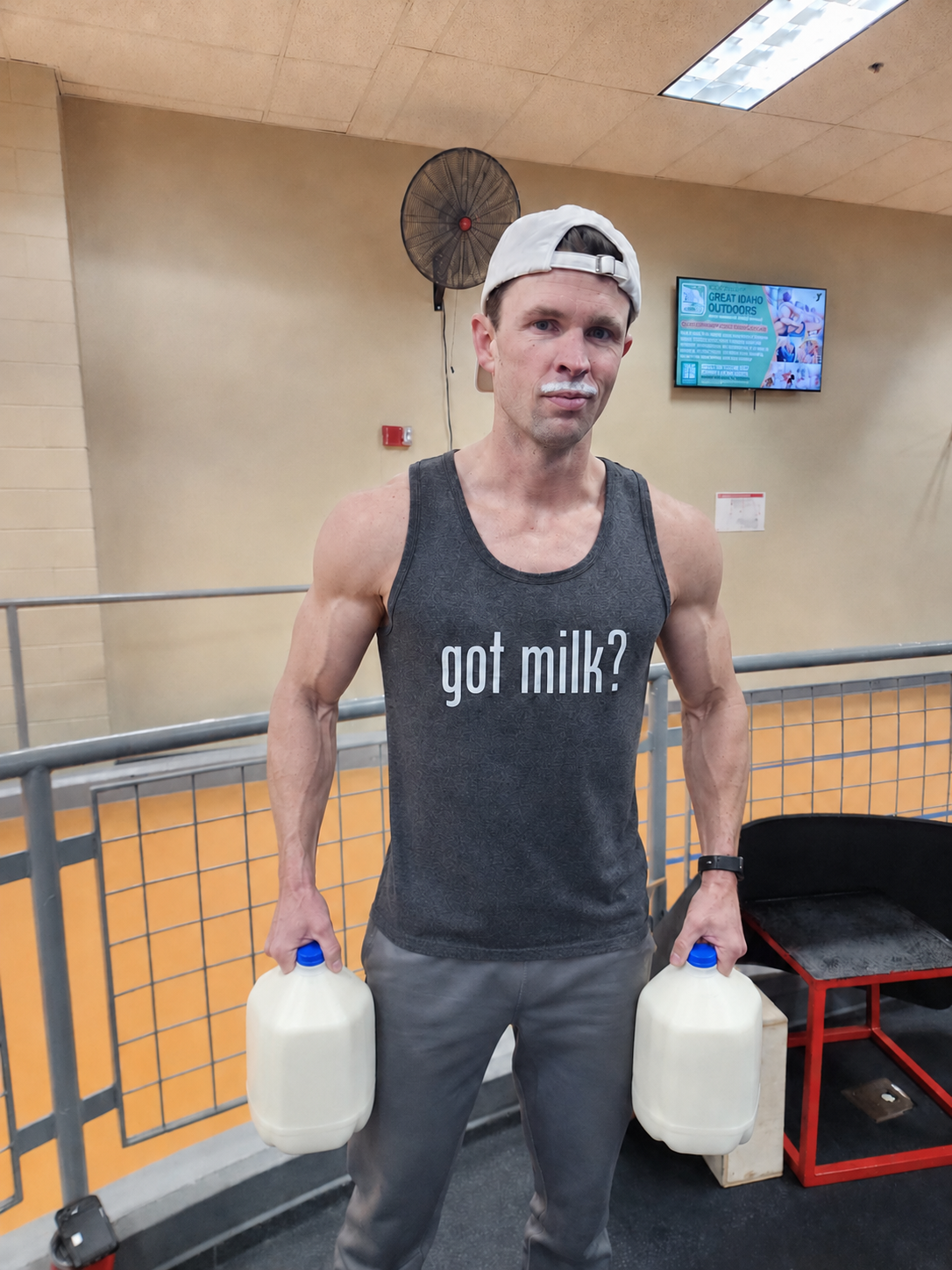
“Got Milk?”
-Ridiculous slogan from the 1990s accompanied by various celebrities featuring comically inappropriate white mustaches
Prolactin is a fascinating hormone. If you possess the requisite anatomical machinery for milk production and are currently breastfeeding, then you’ll have “physiologic” hyperprolactinemia. Conversely, if you’ve acquired the nickname, “The Milkman” and have resorted to wearing highly-absorbent sweatshirts in public settings, you probably have already gone to your doctor.
However, more subtle elevations in prolactin (which are generally the case with a pituitary microadenoma) can lead to perturbations in your lipid panel; hyperprolactinemia often causes elevated LDL-C, high triglycerides, and low HDL-C. Additionally, it can be accompanied by low testosterone. I had several young male patients with previously unexplained low testosterone and a lipid panel that just didn’t match their overall lifestyle habits who had prolactin-secreting pituitary tumors, so keep hyperprolactinemia in mind for those sorts of situations. And oftentimes treating the patient with a dopamine-receptor agonist like cabergoline will normalize both the low testosterone and the lipid anomalies. There is some REALLY complicated interplay between dopamine and prolactin, both in the brain and in peripheral fat cells, that likely contributes to the metabolic and lipid disturbances seen in hyperprolactinemia. This is why dopamine BLOCKERS like Olanzapine and Clozapine (used in conditions such as schizophrenia) often result in secondary hyperprolactinemia and accompanying lipid disturbances as well.
But having LOW PROLACTIN also seems to be a major letdown. Hypoprolactinemia (typically defined as less than 5 ng/mL and most commonly caused by overtreatment with cabergoline), is associated with metabolic syndrome, reduced insulin sensitivity, and a greater tendency toward obesity. And THIS STUDY showed that those with hypoprolactinemia didn’t get much benefit from statin therapy compared to those with normal prolactin levels. Specifically:
- Rosuvastatin 10 mg only decreased LDL-C 23.6% (vs 41-45% in the comparator group) and hs-CRP didn’t budge in those with hypoprolactinemia. The comparator group’s hs-CRP decreased as it usually does with statin therapy.
- Additionally, those with hypoprolactinemia WORSENED QUITE DRAMATICALLY in their parameters of glucose metabolism when treated with Rosuvastatin. HbA1c went from 5.5 to 5.9, fasting glucose rose from 94 to 99, and HOMA-IR (a measure of insulin sensitivity) worsened by 36%!
Like most things in Biology, there seems to be a Sweet Spot. So if someone asks you the all-important question, “Got Milk?” hopefully you don’t have too much…but if you’re completely LAC-king pro-LAC-tin, then you also might be in a state of udder disarray.