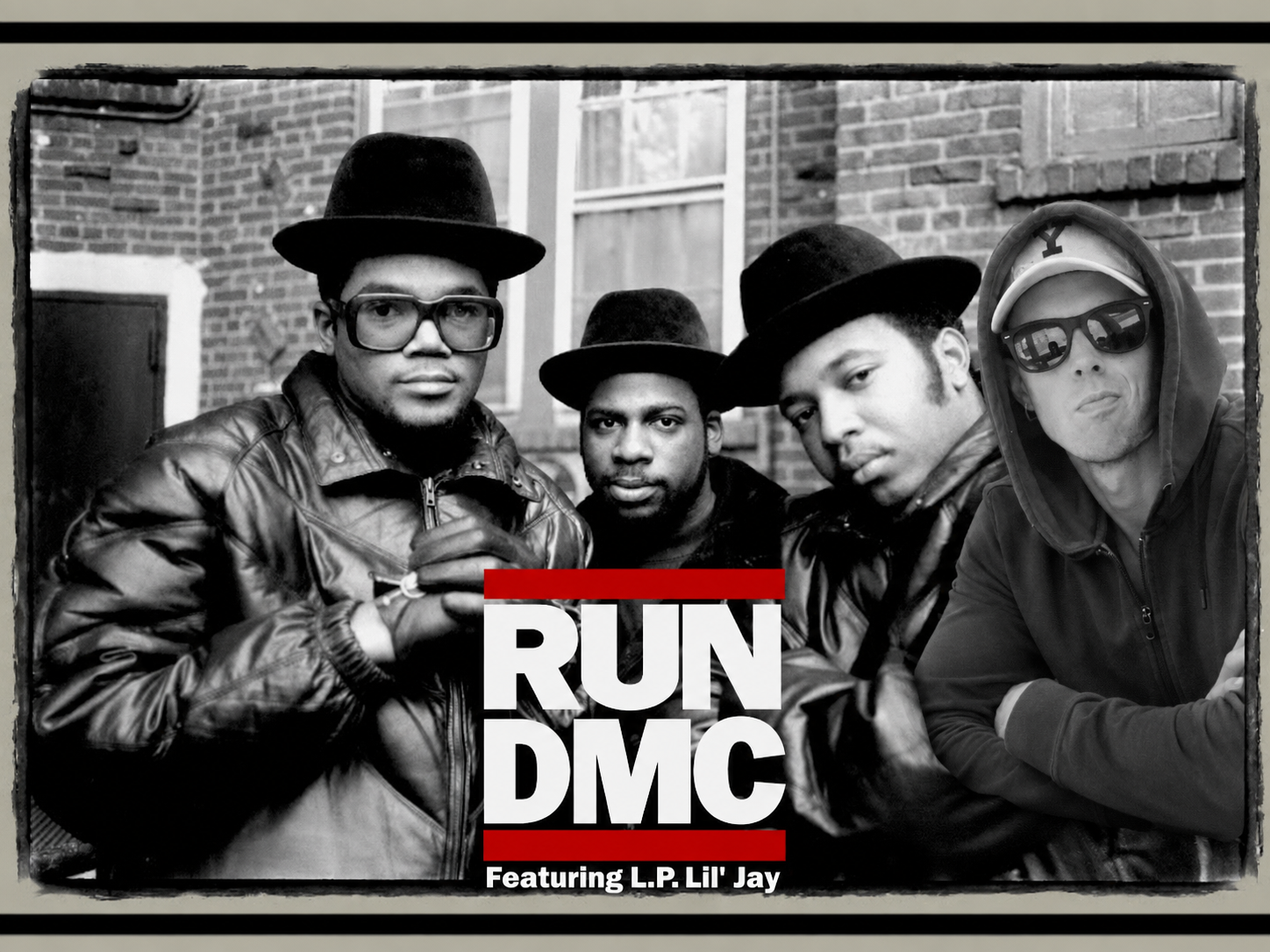
It’s tricky
With drug design
To stop the PCSK9
It’s tricky! (Tricky, tricky, tricky)!
–Rumored Lipid Remix of Run DMC’s iconic hit “It’s Tricky”
Unpublished data suggests that Lipid Learning is enhanced when disseminated in hip-hop format, and I’ve been known to rap about Cholesterol and Cardiovascular Health at various cardiology conferences. And do you really think it’s mere coincidence that “It’s Tricky” dropped in 1986, the year I was born? Please. That’s about as likely as a failed blood pressure drug being serendipitously repurposed to renew the spark in people’s romantic lives.
But as we continue to celebrate PCSK9 this week, hopefully a few new non hip-hop metaphors can help us better understand the various structural domains of the 692 amino acid glycoprotein. And hopefully we come away with some insight into the various therapeutic approaches, either current or future, designed to mitigate PCSK9’s dastardly, diabolical, deleterious destruction of the LDL receptor.
(For some preliminary background on PCSK9, please refer to pages 59-62 of THIS BOOK or the first paragraph of THIS ARTICLE…that’s really all you NEED to know, but we’re going to get a little Greedy with Granularity today as we Guzzle from the Goblet of knowledge).
And today’s lesson on the structure of PCSK9 is brought to you by Relay Races! As someone who currently coaches track and is sometimes said to be “Fast for an Old Guy,” I jump at opportunities to employ athletic analogies. So let’s go!
- The first 30 amino acids of PCSK9 are called the Signal Peptide…this is basically just the “Starting Gun” to begin the “race.”
- Amino acids 31-152 are called the Prodomain, or pro-PCSK9. Without our Prodomain First Leg, Team PCSK9 can’t even get out of the endoplasmic reticulum, so we need this guy to get the ball rolling. However, unlike most serine proteases, the Prodomain remains associated with the rest of the “team” even after finishing its leg; essentially, this teammate is still hanging out on the track cheering on the next competitors.
- Next up is the Catalytic Domain, which is amino acid residues 152-421. Whenever we are talking about an enzyme, the Catalytic Domain is typically a critical segment where “the race can be won or lost.” And indeed, the Catalytic Domain on PCSK9 binds to the EGF-A segment of the LDL receptor, the “Not-so Sweet Spot” that leads to the eventual lysosomal degradation of LDLr after this interaction occurs. Since this is arguably the “most important leg” you can remember Team PCSK9 wants an Extra Gifted Friend (EGF) running the Catalytic Leg to ensure that the goal (LDLr binding and eventual degradation) is achieved.
- As many of you know, there is a specific “Transition Zone” for relays in which the baton must be passed, and in this relay, there is a Hinge Region (amino acids 422-439) bridging the gap between the Catalytic Domain and the next competitor…and you could say the success of this race “hinges” on proper transfer, which brings us to…
- The “Anchor Leg” spanning amino acids 421-692, is termed the Cysteine-Histidine Rich Terminal Domain, or CHRD. (You might recall the mnemonic “SH, you’re in the Cysteine Chapel” when you were memorizing amino acid structures in Biochem back in the day, as cysteine contains a sulfhydryl moiety). Although the Catalytic Domain gets a lot of credit (and deservedly so), this Quiet Guy enriched in Cysteine and Histidine Humility is actually indispensable for LDL receptor degradation.
Ok, so if you want PCSK9 to pull a DNF (Did Not Finish) in its race to degrade the LDL receptor, how would you go about it? Well, you could prevent the race from ever starting. You could put everyone in a bind with a monoclonal antibody. Maybe a Peptide Bike Cop riding a Macro-Cycle could stop the Extra Gifted Friend from passing the baton. And perhaps you could distract the CHRD anchor leg from finishing the race and make him drop the baton by giving him an M2 Hot Pocket…that’s apparently his Kryptonite, from what I hear!
And if you have no idea what I’m talking about, THIS ARTICLE and THIS ARTICLE…oh and THIS ONE can maybe help you piece things together😊 Although I doubt you’ll think they’re as fun as the Relay Race we just discussed!