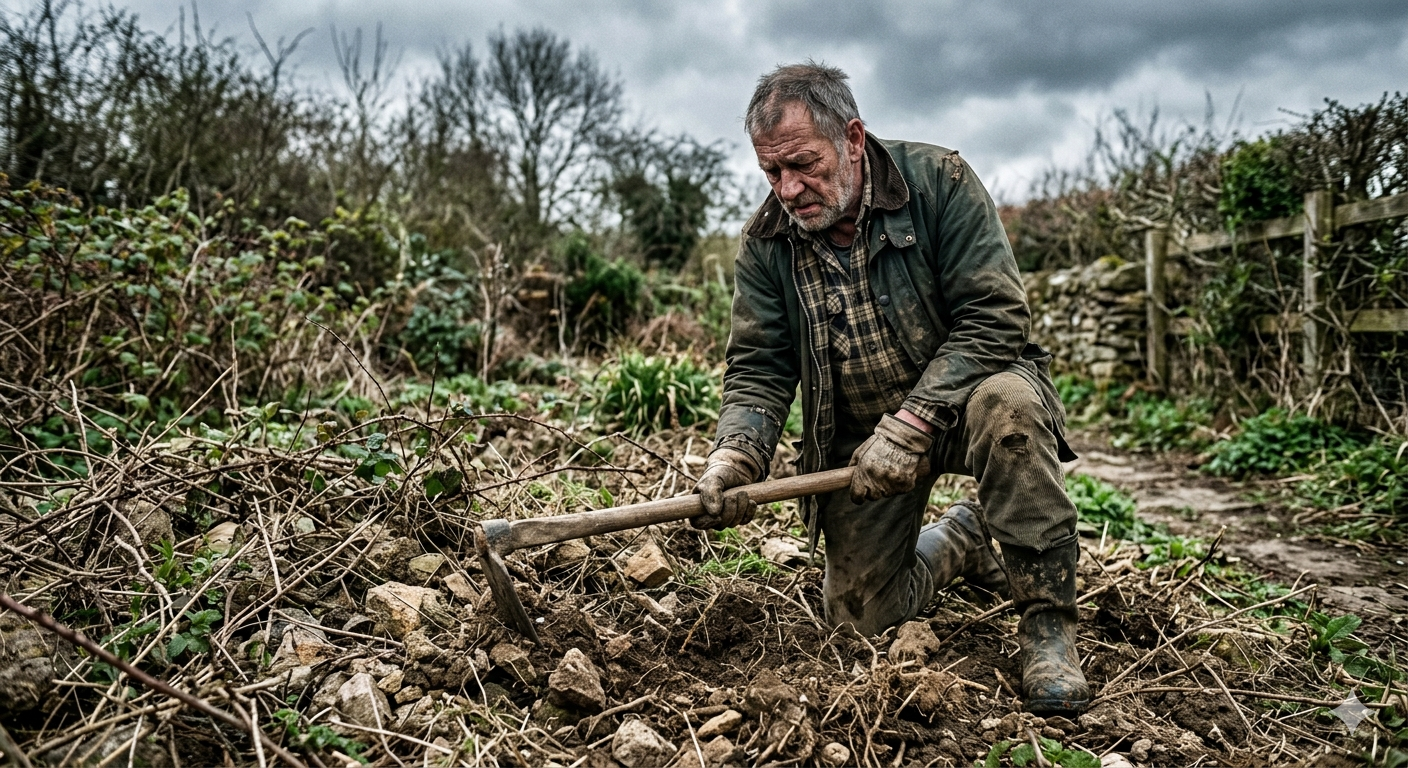
He was known as The Gardener. Although he was a teacher by vocation, he spent much of his time outside the classroom in his garden. Some of his fondest childhood memories involved tilling the soil and planting seeds with his father, and his father had taught him the rudimentary aspects of cultivating a harvest. But in many ways, his garden represented so much more. It was an organic escape from the pretentious phoniness of the workplace. It was an earthy refuge from rampant worldliness. While the outside world frenetically raced toward instant gratification, his garden reinforced discipline, devotion, and patience. And it provided him a cornucopia of illustrations and metaphors that brought his lessons to life; he was unanimously adored by his students.
The Gardener regularly brought the best of his harvest for friends, students, and colleagues to enjoy. Oftentimes, the smorgasbord of zucchinis, root vegetables, and cucumbers would go untouched, but there were always some who enjoyed the fruits of his labor. In fact, once his hungry students overcame their preconceived notions about vegetables, they agreed that his offerings were as delicious as his lessons!
But a group of botany professors took offense at the Gardener’s altruism. Although the fruits of the Gardener’s labors were simply the outflow of thankfulness and appreciation, they felt his lack of specific qualifications undermined the department’s commitment to academic rigor. And the Gardener was prevented from sharing his harvest from that point forward.
The Gardener was sad. The students were perplexed and felt increasingly disconnected from the rest of the faculty. And a potentially delicious harvest was left uneaten that winter. But the Gardener continued planting, tilling, and cultivating. Because of love. And he knew that, in time, love would find a way to continue sharing the blessings that he had been given.