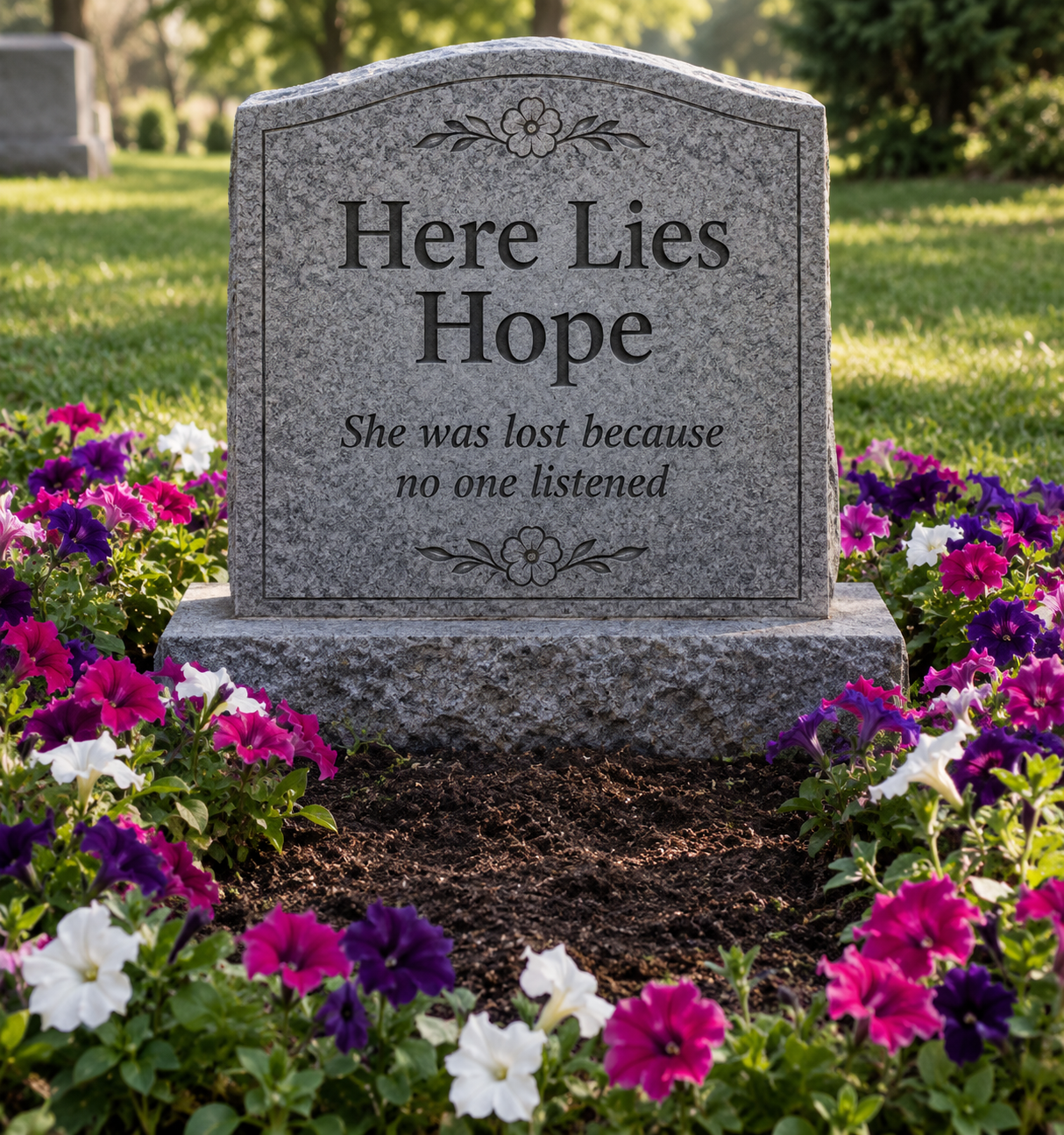
An elderly gentleman ambled into a shop colorfully labeled “Plant Professionals.” He figured this would be the perfect place to purchase some petunias for his sweetheart.
“I’d like to buy some flowers for my wife,” he said to the florist.
The florist, busily pecking away at his computer, disinterestedly asked, “Any special occasion?”
This question unexpectedly led to a 10-minute soliloquy from the gentleman about the couple’s love story, the trials and tribulations of raising a blended family, and the litany of health problems his wife had experienced over the past several years.
“It sounds like there are a bunch of things going on,” said the florist. “I’m not sure the flowers can fix this picture. Furthermore, the current Flower Guidelines don’t recommend petunias for this type of situation.”
“Oh I’m not expecting a miracle!” exclaimed the elderly gentleman. “But I really would like to make her happy! And petunias have always been her favorite. Who knows? Maybe this will cheer her up and be the catalyst she needs to regain her zest for life! And I’m willing to pay whatever you ask.”
Waving his hand dismissively, the florist responded, “Sorry, sir. As a certified Plant Professional, I cannot, in good conscience, sell you any flowers. Good luck.”
6 weeks later, the man returned. His wife’s health had continued to spiral and she had, quite sadly, passed away.
This time, the florist sold him the petunias for the burial plot. It was practical, after all.
Rather than being dismissive, try dismissing your inclination to make biased and insensitive decisions.
Rather than relying on generic Risk Calculators, calculate the risk of not listening to that patient sitting in front of you.
Rather than caring about the opinions of fellow professionals, prioritize being a professional at caring about people.
Leave people better than you found them rather than finding them in the Obituary Section because of your negligence.