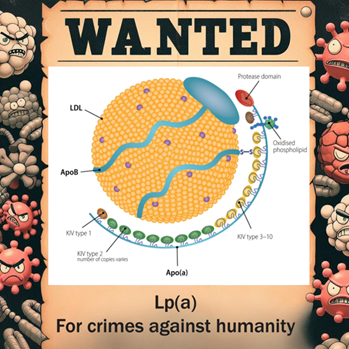
TOPLINE RESULTS from the highly anticipated HORIZON trial of Pelacarsen, the first of a battalion of drugs targeting Lp(a), the “Felon of the Lipid Neighborhood,” were conveniently released on a Friday afternoon heading into a long Holiday weekend.
And I would suspect that if the results had not been NEGATIVE, the timing of the press release may have been a little bit different and carried just a little more fanfare! And now a whole bunch of medical professionals will be able to speculate about the reasons the trial failed throughout their Labor Day Festivities while a bunch of Pharma People hope that “everyone just forgets about it.”
*Normal people, take note and leave town NOW! Don’t invite your Cardiologist friends to your backyard barbecues unless you want to be “grilled” about your recent bloodwork, your Lp(a) levels, and your family history!*
So if you are one of the people like my good friend, the Hero of Chapter 6 in THIS BOOK, who “Picked the Wrong Parents” with this genetically inherited, independent risk factor for cardiovascular disease, should you spend the weekend in mourning? Should you put your affairs in order? Should you now start taking niacin since your chiropractor recommended it and it does reduce Lp(a) somewhat?
Well, “Nothing I Give is Medical Advice,” but I’ll just say that I think you’re going to be ok. Just like countless “Inflammation Trials” have failed despite inflammation being independently associated with cardiovascular events, it’s still good to check both your inflammatory markers and your Lp(a) levels. And I believe that the following articles can help you operate with nuance for your patients if you’re a clinician and for yourself if you have elevated Lp(a).
THIS ARTICLE shows that, despite the residual risk of high Lp(a) levels when folks are treated with statins, it appears that this risk may be attenuated if lipid-lowering therapy is aggressively employed in a SPECIFIC WAY. The trend is encouraging, anyway, with PCSK9 inhibition, which parallels the post-hoc analyses of the PCSK9i mAb cardiovascular outcome trials. This also reinforces the 2026 Cholesterol Guidelines suggestion to add PCSK9i mAb therapy to a lipid-lowering regimen if LDL-C remains elevated and high Lp(a) is a risk-enhancing factor.
THIS ARTICLE from MESA warrants consideration for baby aspirin for those with high Lp(a) in Primary Prevention, as those treated with aspirin who had Lp(a) >50 mg/dL had a 46% lower risk of coronary disease than those with high Lp(a) not on aspirin therapy.
And THIS ARTICLE suggests that obesity plus high Lp(a) is a Double Whammy, thus reinforcing the importance of maintaining your metabolic Home Security System regardless of your Lipid Neighborhood.
As always, there is hope! And as always, we have a lot to learn!