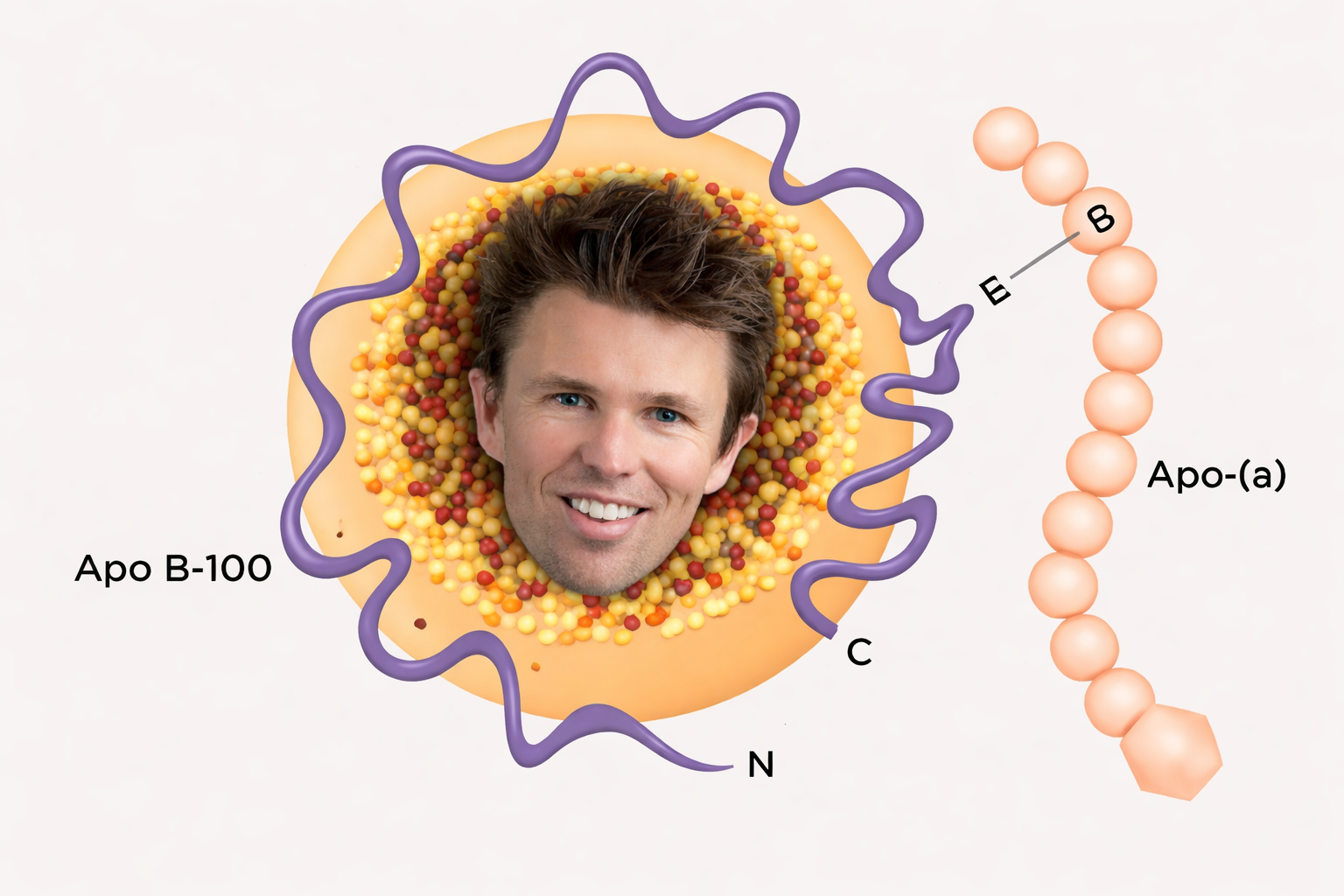
Much has been said about the failed HORIZON trial of Pelacarsen, which, although it decreased the number of “Felons in the Lipid Neighborhood” by reducing Lp(a) levels, did not reduce cardiovascular events. I have a bunch of thoughts on this, but due to my current affiliations and my desire to NOT have the Thought Police come after me, I’ll keep those to myself for now.
However, THIS ARTICLE about the effects of various statins and their metabolites on Lp(a) characteristics was quite interesting. As we know, statins increase Lp(a) levels, and Lp(a) remains an independent risk factor even among those treated with statin therapy. HOWEVER, perhaps it matters WHICH TYPE of statin is used when it comes to the atherogenicity of Lp(a) particles.
Compared to other statins (rosuvastatin, pravastatin, pitavastatin, and simvastatin), atorvastatin resulted in decreased OXIDATION of Lp(a) and ApoB particles and displayed INCREASED capacity for scavenging free radicals; essentially, atorvastatin made the Lp(a) Lunatics less crazy. And, for the Biochem geeks, it wasn’t atorvastatin itself that was responsible for remediating the felons…it was a phenoxy metabolite that seemed to help these felonious particles re-integrate into cellular society. (A phenoxy is a phenol that loses a hydrogen group. Typically, a phenol looks like a hexagon with a hydroxyl (OH) attached to it, but OH the Hydroxyl Hexagon lost a Hydrogen)! In this case, it seems like when we lose the hydrogen, we might gain some other benefits.
Caveats abound, since there is a big difference between inducing oxidation with copper sulfate in a lab using lipids from healthy donors and the factors that may be promoting an oxidative state in the real world. I doubt people with evidence of systemic oxidative stress are messed up because they’re chewing on pennies…pretty sure they stopped making those recently, anyway.
However, if we find additional supporting evidence for a reduction in cardiovascular events for those with high Lp(a) on atorvastatin in other studies (compared with other statins and matched for other characteristics), I might re-think which type of statin I employ (if I use one) for the patient with elevated Lp(a) and evidence of disease. If I use a statin at this point, my typical go-to is a baby dose of the hydrophilic rosuvastatin used in combination with other agents. I can typically get someone living in a safer Lipid Neighborhood with a very low dose and minimize the likelihood of adverse effects, and I don’t have to do an obnoxious Prior Authorization for insurance companies like I would with pitavastatin. However, maybe I will consider a baby dose of atorvastatin in light of these findings in those with high Lp(a). Or maybe it doesn’t really matter and, whether the person is on a low-dose statin or not, we use a PCSK9 inhibitor😊
As always, we have much to learn!