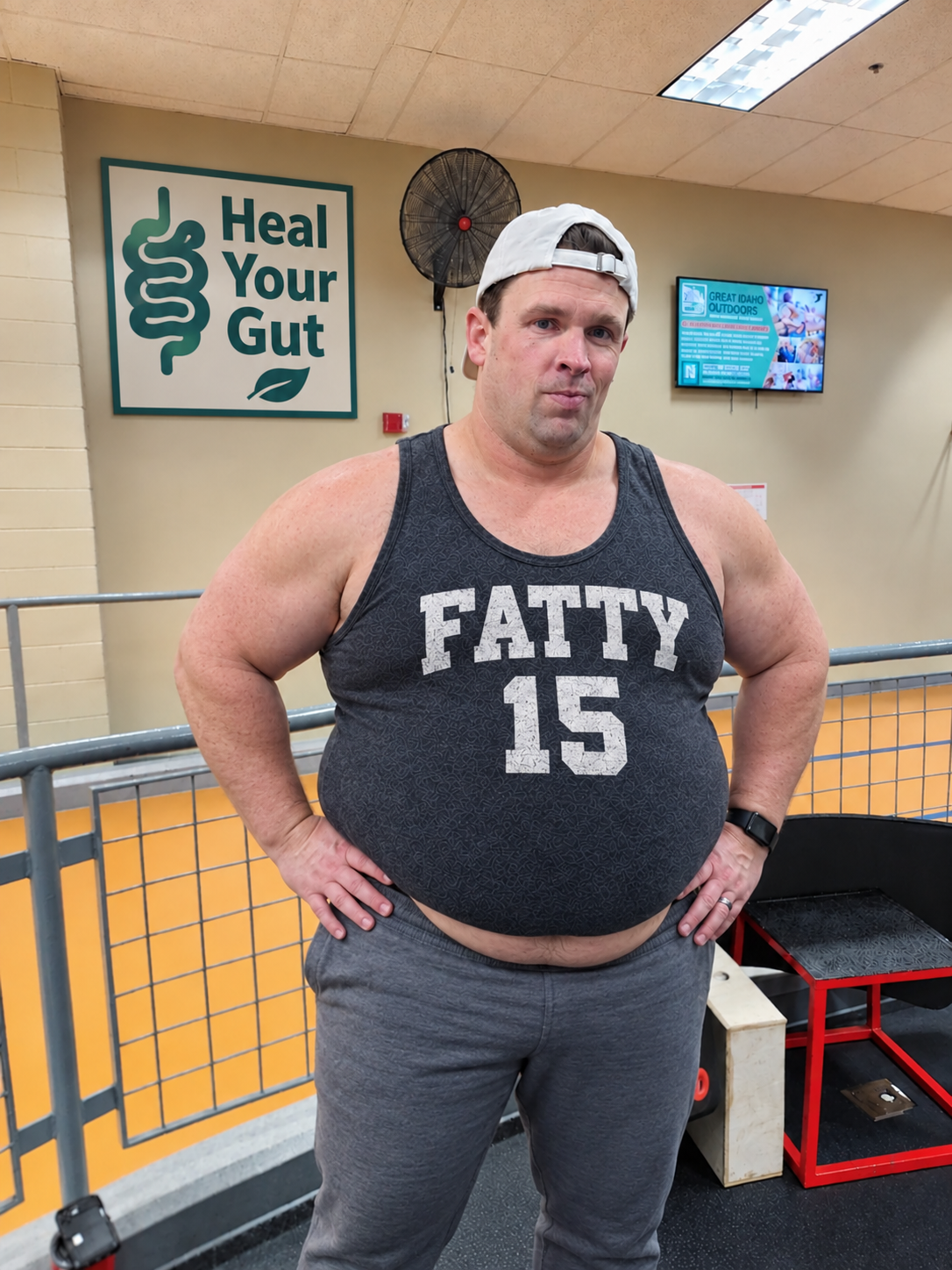
Today, the topic is scams, charlatans, snake oil salesman “Gut Health,” since countless influencers make confident assertions that if you “Heal Your Gut” then all your problems will dissolve more rapidly than a packet of Athletic Greens in alkaline water. And itinerant entrepreneurs will leverage this into selling prebiotics, probiotics, and pea-biotics (for the Vegans), assuring you that if you “Stick With the Program,” you’ll restore your body’s proper balance of gut flora and likely eliminate your debt, renew the spark in your marriage, and finally reach the apparent level of euphoria displayed by paid actors in pharmaceutical commercials.
Don’t get me wrong…I believe gut health matters…A LOT. I mean, I know firsthand how a bout of amoebic dysentery can completely ruin your life. But in order to rectify what is ABNORMAL, we first must have an understanding of NORMAL. And I don’t believe we currently know what the “normal” distribution of gut microbiota looks like…or if there is too much interindividual variability among healthy people to define a “normal” gut microbiome. In order to do this, I believe we would need to ascertain the distribution of gut microbiota in non-insulin resistant young people (by my standards), but would likely need to omit the elite performers. (The true reason why the locker room is off-limits to reporters prior to games is because the athletes are destroying the toilets, and cross-country meets are why Porta-Potties are still thriving). Some of the best athletes I’ve ever competed against have the most irritable of bowels; the dance between the parasympathetic and sympathetic nervous system becomes a frenetic tango for high-level competitors.
But I have a Gut Feeling you’d like more than just Potty Humor jokes, so I’ll mention a promising gut-related marker of cardiovascular disease called imidazole propionate (ImP). ImP is produced by gut microbiota in response to the amino acid histidine. When elevated, ImP was correlated with increased risk of subclinical atherosclerosis in the PESA study, and in animal studies it has been implicated in the acceleration of atherosclerosis independent of cholesterol levels.
However, in these studies, levels of ImP were directly correlated with dysglycemia, elevated hs-CRP, and visceral adiposity…sounds a lot like an impaired Home Security System. So if you merely “Control Your Insulin, Control Your Life” would ImP vanish as a meaningful risk factor? This remains an unanswered question, so I look forward to future studies in non-insulin resistant populations to determine whether or not this gut metabolite is the “Missing Link” in our evolving understanding of atherosclerotic factors beyond ApoB.
And on another note, one influencer recently highlighted a “Good Gut” microbe with potential cardioprotective properties called B. uniformis. If your gut bacteria are wearing this jersey, they are capable of producing pentadecanoic acid (C15), a 15-carbon saturated fatty acid. Most fatty acids have an even number of carbons, so this C15 is, indeed, odd, but higher levels have been associated with decreased risk of both cardiovascular disease and diabetes in various population datasets. C15 can also be found in full-fat dairy foods as well as ruminant meat.
Interestingly, C15 does inhibit cholesterol production inside the liver and upregulate LDL receptor expression (this is the same mechanism by which statins work). And in mice fed high-fat diets, the C15 produced by B. uniformis reduced the amount of plaque in their arteries.
Lucky for us, there is a supplement called “Fatty 15” which provides ample C15 to accompany all the peptides and methylene blue we’re taking! Immortality, here we come! Right?!!
Well, maybe not…there are several human studies of C15. This FIRST ONE showed that, in people whose measured C15 levels went up, there was a marked decrease in the liver enzyme ALT. This is like saying, “I averaged a 98% on all the tests where I got A’s.” What about all the other ones? Well, we don’t really talk about those…since it’s kind of embarrassing. And even among those who had a good response to the C15, their LDL cholesterol only dropped a whopping 4 mg/dL. Not quite as good as what we saw in Fat Rats.
In the OTHER STUDY, C15 was added to a Mediterranean diet, and it didn’t really change much compared to people who were on the Mediterranean diet alone. Both groups lost weight and had some improvement in some other metabolic parameters…mainly because they were all eating fewer calories in the study. Fatty 15 was a Fatty Flop overall.
So if your most recent vacation has resulted in your friends now calling you “Fatty 15,” should you go out and buy some “Fatty 15” yourself? I think if you’re Prioritizing Protein and Eating Real Food, you can end up getting your C15 from dairy and meat. That way, you can avoid donating way more than a Fatty $15 to Supplement Shysters who are preying on your Gut Feelings rather than logical reasoning😊