Sadly, many clinicians could be described as “Stuck in the 1990s” in regards to Lipid Management. And generally, people in Lipid Land would apply this pejorative label to those who continue to worship solely at the altar of High-Intensity Statins, refuse to utilize diagnostic imaging techniques such as CAC and CCTA, and are content to merely rely on 10-Year Calculators for risk stratification. “Stuck in the 1990s” is not a good way to ApoB(e) given the remarkable innovations that have redefined the Preventive Cardiology Landscape over the past decades.
On a related note, one of my favorite places on the planet is Pocatello, Idaho. The site of my first Grad School experience is often described by unenlightened aristocrats as an undignified anatomical orifice (which is neither accurate or nice). But more frequently, people describe Pocatello as “Stuck in the 1990s.” And I don’t disagree.
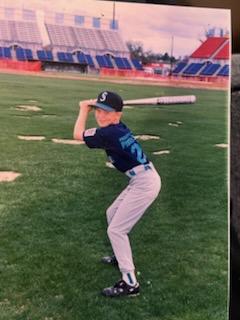
Because the 1990s, in many ways, was AWESOME. Rather than subjecting ourselves to incessant bombardment by Social Media feeds, we occasionally treated ourselves to a newspaper. The biggest influencers in our lives were our next-door neighbors. The only screens involved in our lives were on the basketball court, and “boredom” was an abstract apparition we had only heard about in passing from some lame guy that we ignored. (My parents actually designated the word “bored” as an obscenity, and that adjective wouldn’t have applied to our lives anyway). We often finished each day scraped up, soiled, and somnolent…but WELL-SPENT from ACTUALLY LIVING rather than “tired but wired,” perpetually frazzled, stressed and incapable of rest.
And that’s how my Pocatello friends still live their lives. They work hard. They play hard. They don’t Major on the Minor. It’s refreshing. And if people hate on Pocatello on Social Media, they won’t see it and they don’t care, because they’re busy LIVING.
And when it comes to Lipid Management, I’m certainly here to help everyone stay on the cutting edge. But when it comes to Life, maybe it’s not so bad to be “Stuck in the 1990s.”